Why Oregon seafood is hard to find at local markets

Oregon exports most of its catch while importing foreign seafood. See the seafood's journey from sea to table.

Despite landing over 300 million pounds of seafood, Oregon struggles to keep much of it in state. Learn why that is the case.
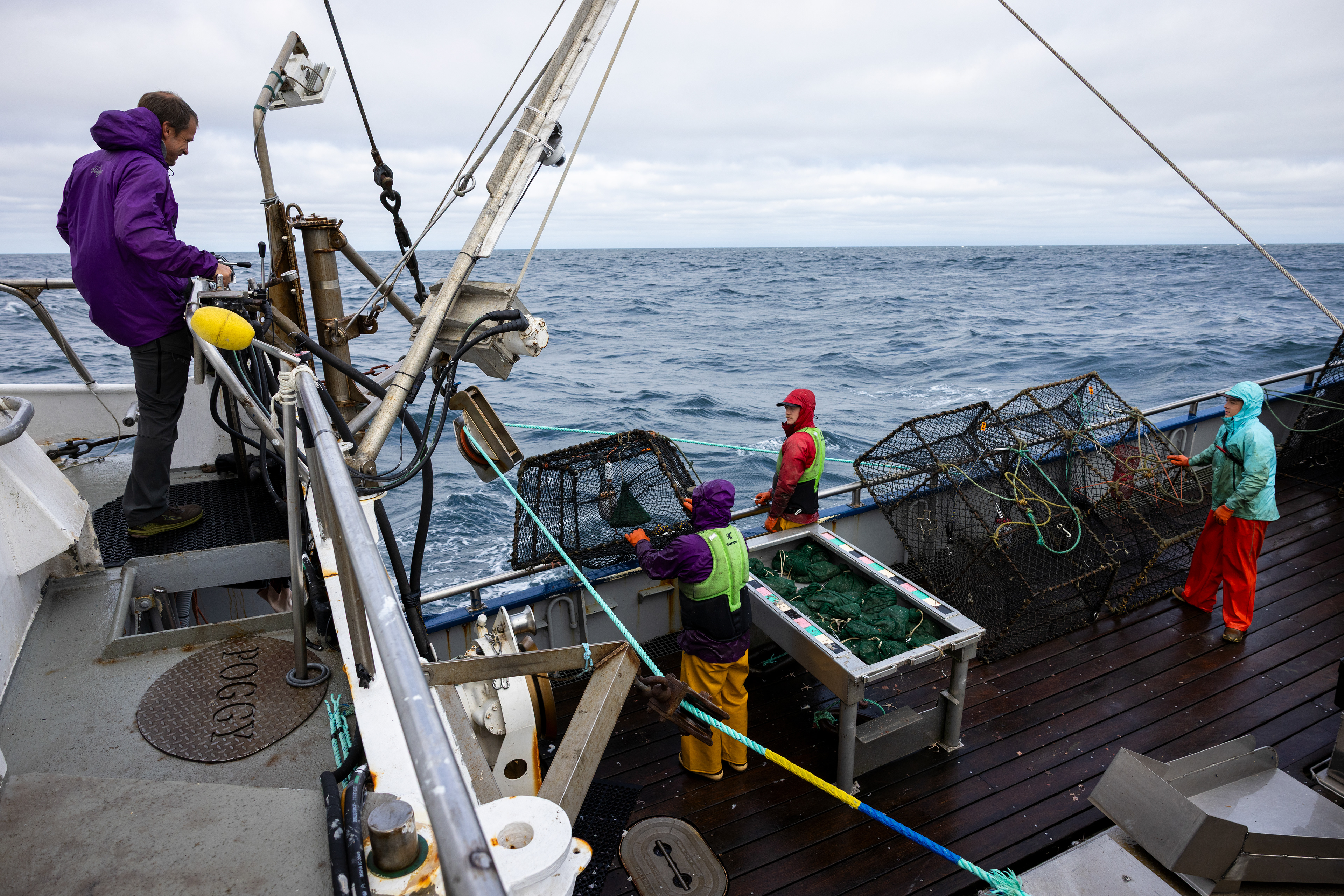
The Michelle Ann crew sets pots to catch black cod aboard the Michelle Ann off the Oregon coast on August 17, 2026. Over a four-day trip, the crew caught about 40,000 pounds of seafood.
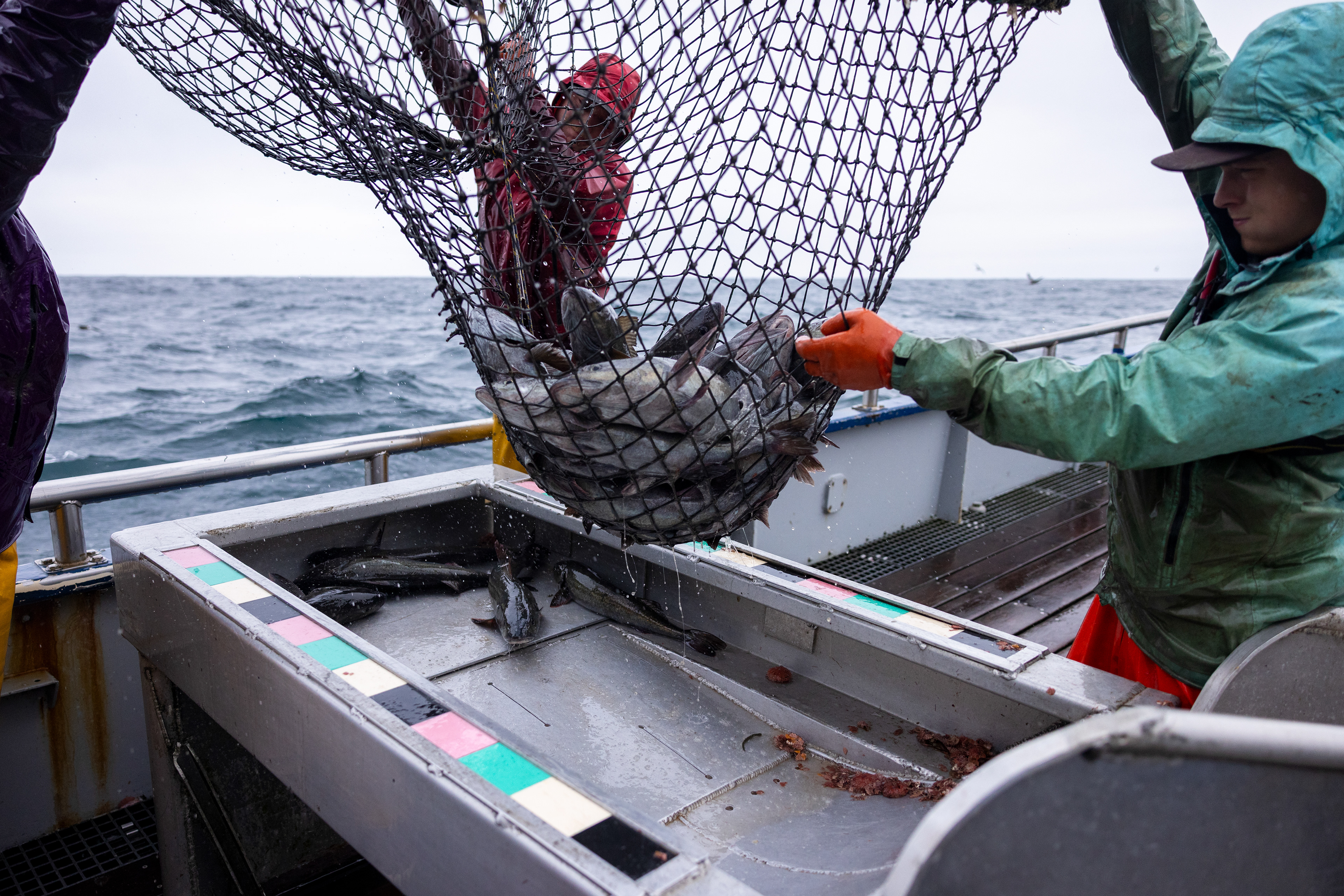
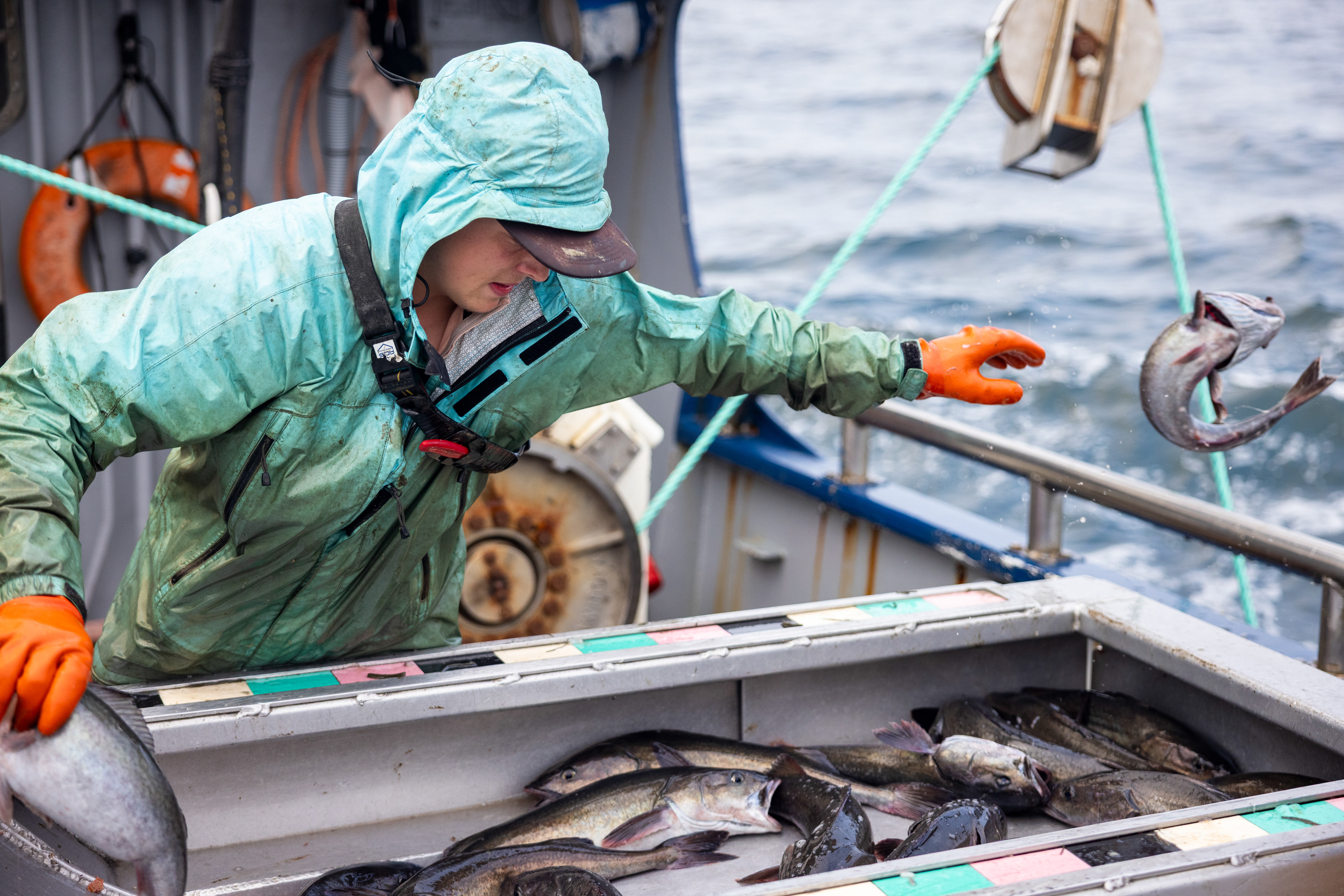
The smell of fish and squid bait cuts through the air as the four-man crew of the Michelle Ann hauls 50 pots on deck. Each pot hoisted from the roiling Pacific to the fishing boat brings up about a dozen black cod, totaling 3,000 to 5,000 pounds of fish per haul.
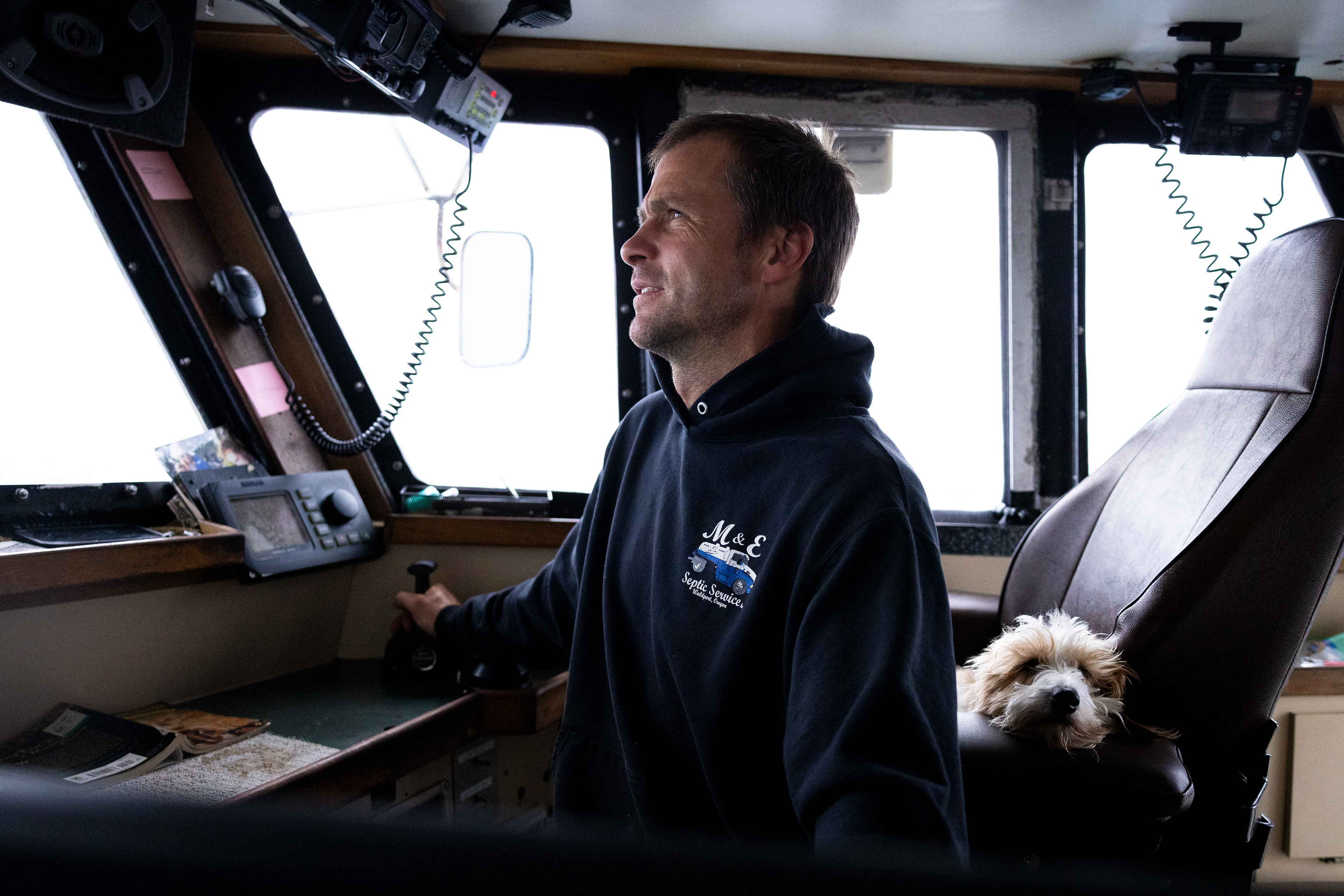
Captain Poggy Lapham has fished commercially for 19 years and understands Oregon’s seafood paradox well. The seafood industry is “built on a system that doesn’t really work for small producers,” he said.
He and his crew will ship most of this fish to Asia, with Japan as the primary buyer. A small portion will be processed in Portland for domestic distribution.
The vast majority of Oregon’s seafood is shipped abroad, but some local suppliers are making Oregon’s seafood more accessible here at home.

The Michelle Ann crew unloads black cod from one of the 50 pots aboard the Michelle Ann off the Oregon coast on August 20, 2026.
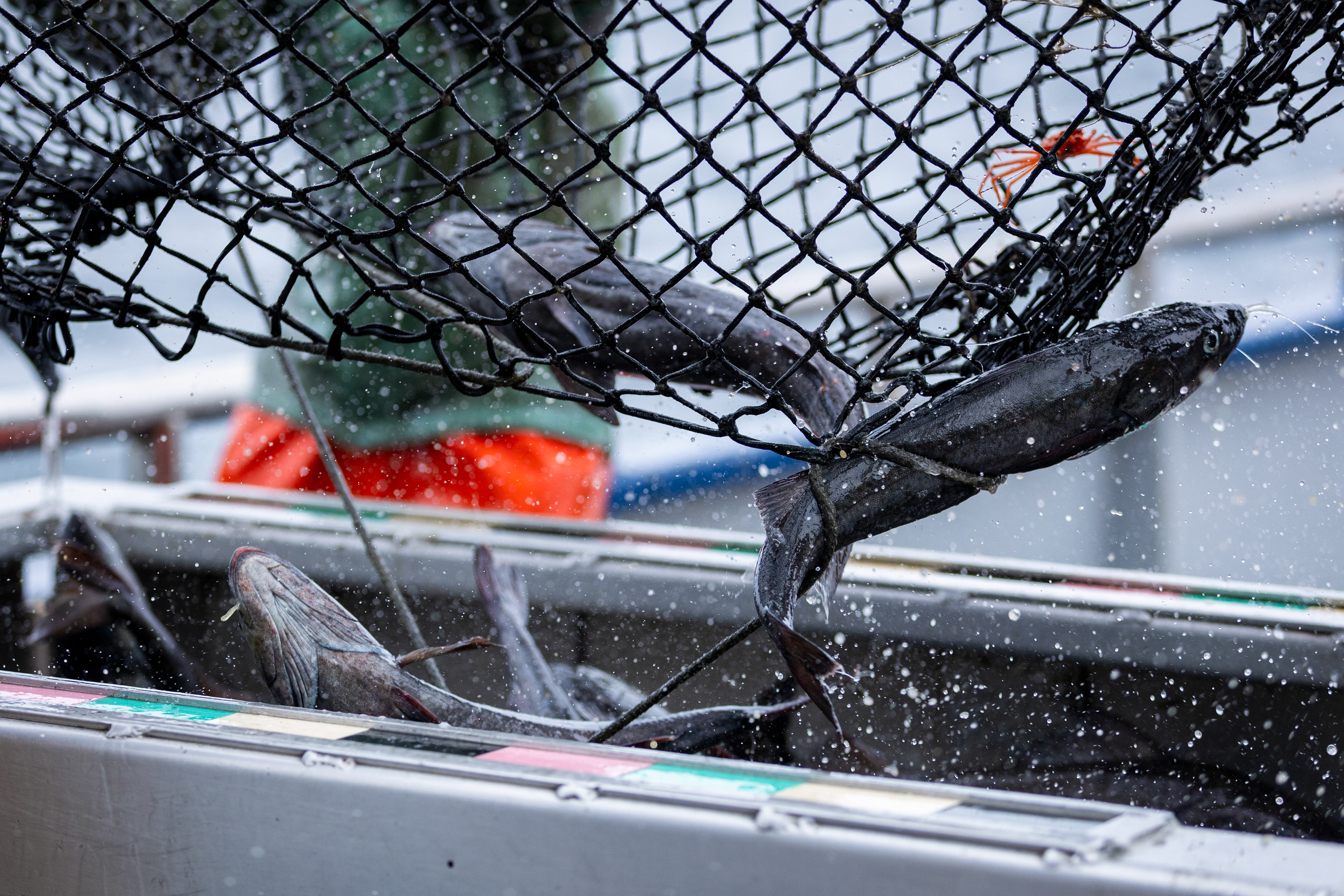
The Michele Ann crew shake black cod out of a pot before sorting them aboard the Michelle Ann off the Oregon coast on August 18, 2026.
Ryan Rogers, owner of the Fisherman’s Market seafood restaurant in Eugene, spent most of his life as a commercial fisherman. Now he tries to source as much seafood as possible directly from Oregon's shores.
Buying American seafood can be cost-prohibitive for Rogers’ business. He said he has to weigh offering his customers the freshest seafood he can find while sometimes making concessions when cost differences are too significant.
“It’s a struggle because I want to support local, I want to support American seafood industries, but we have to do the juggling act of what’s best for our customers,” he said.

Gangion Lapham sorts through black cod aboard the Michelle Ann off the Oregon coast on August 18, 2026. Smaller, younger black cod are thrown back in the ocean along with unwanted fish and crustaceans caught in the pot.
Laura Anderson, founder of Local Ocean, a seafood restaurant in Newport, said sourcing seafood directly from boats at the Port of Newport across the road allows the business to minimize distribution costs. But, Anderson said, demand is the primary reason Oregon seafood rarely stays in local markets.
Oregon's coastal communities cannot eat all the seafood local fishermen catch, she said. They are fishing for the nation and other countries around the world.
“The economics support moving large amounts of fish into the highest value markets," like Japan, China and Indonesia. Anderson continued, "and that often doesn’t support smaller, coastal communities.”
Towns along the Oregon coast are spread out and sparsely populated, tallying about 115,000 residents, according to U.S. census data. The lack of dense population means fewer buyers compared to larger cities elsewhere, according to Hans Radtke, natural resource economist.
He said even with an influx of tourists, the coast has “limited demand” for Oregon-caught seafood.

Captain Poggy Lapham steers the Michelle Ann towards a set of buoys to be collected by his crew off the Oregon coast on August 20, 2026.
Most of the restaurants serving seafood in Oregon want “portion-controlled, frozen and consistent,” meaning year-round, seafood products, Radtke said. Large processors provide that, delivering consistency in both products and prices.
For restaurants that try to source locally, Anderson said buying directly from boats can be a difficult business decision. The availability of seafood is dependent on the season and weather conditions, and market prices can vary widely.
“You have to be able to buy large amounts of fish at one time… You have to be able to process those fish in a facility that can handle that, and dealing with all of the waste is not a small issue either,” Anderson said. Local Ocean uses the Yaquina Lab in Newport, a shared space for processing seafood, to store and filet its large seafood orders.​​​​​​​

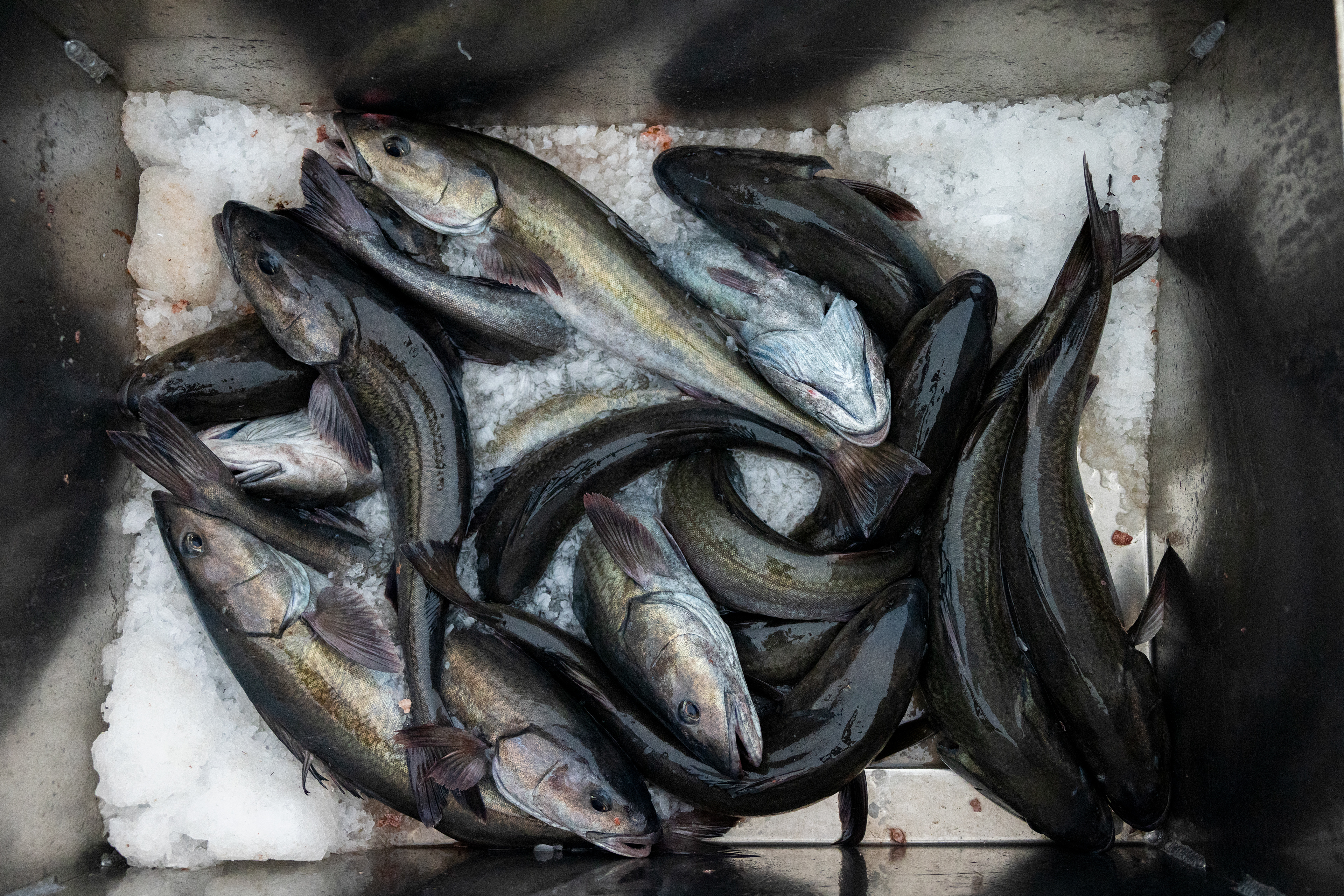
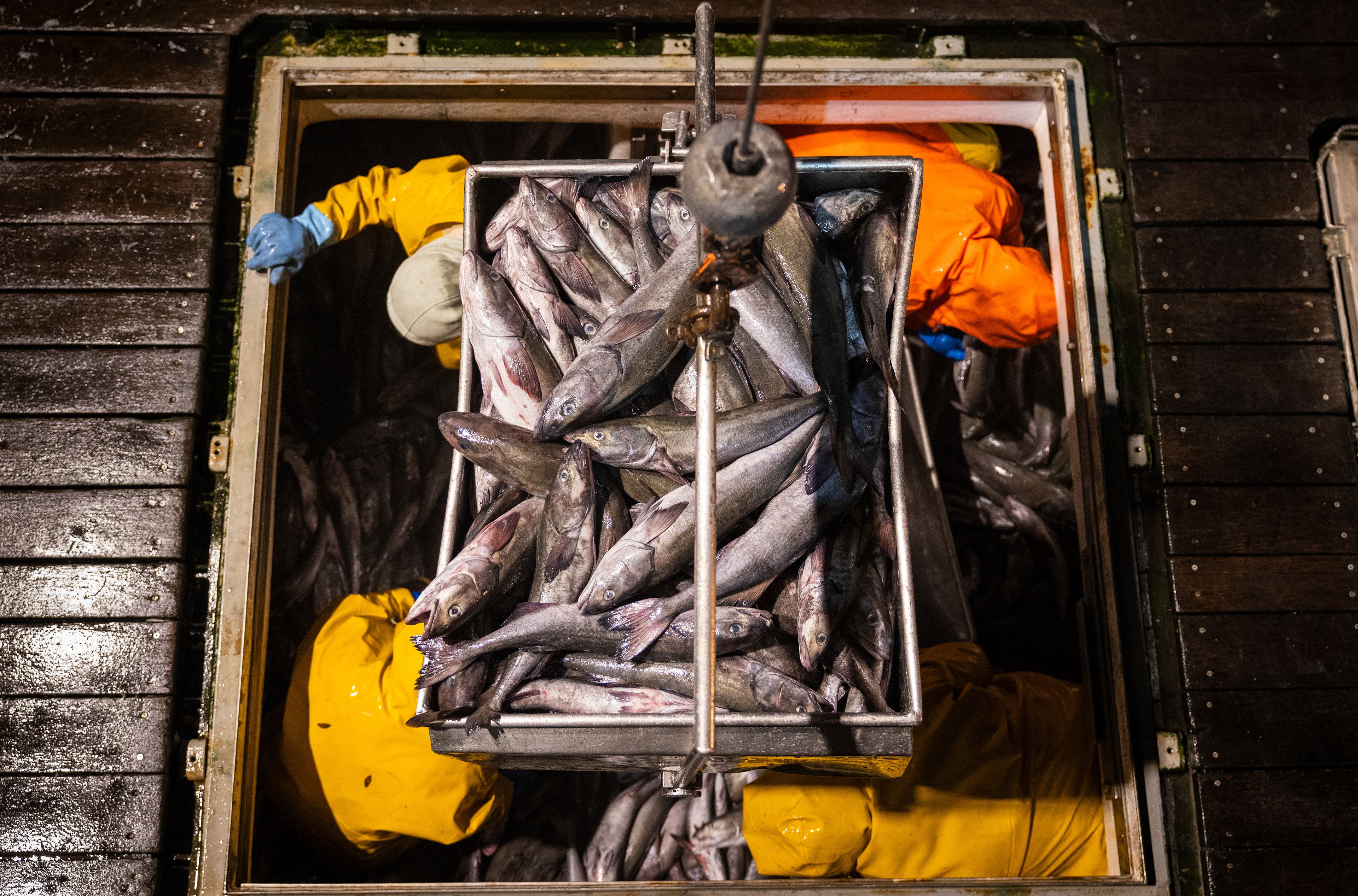
The Michelle Ann crew stores the black cod they catch in ice before offloading for distribution around the world.
The Oregon coast lacks much of the infrastructure needed to help small seafood businesses process and distribute their products, and doing so requires substantial financial resources, Anderson said. Meanwhile, large processors keep getting larger.
On July 13, Pacific Seafood acquired Ocean Beauty Seafoods and its distribution operations in Astoria and Portland as well as four other cities across the country.
Anderson and Rogers agreed: Consolidation of the industry makes it more difficult to keep Oregon’s seafood within the state. 

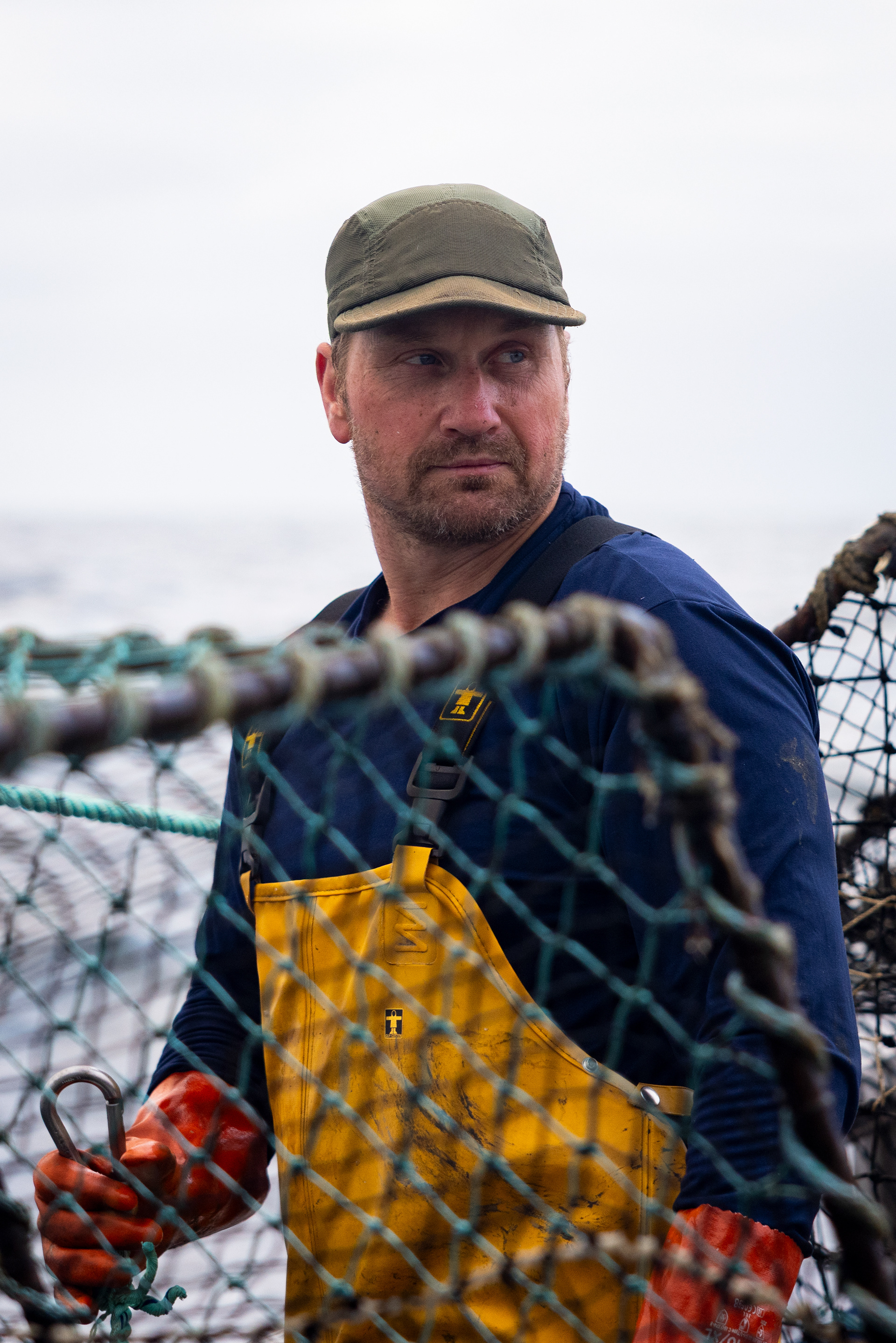
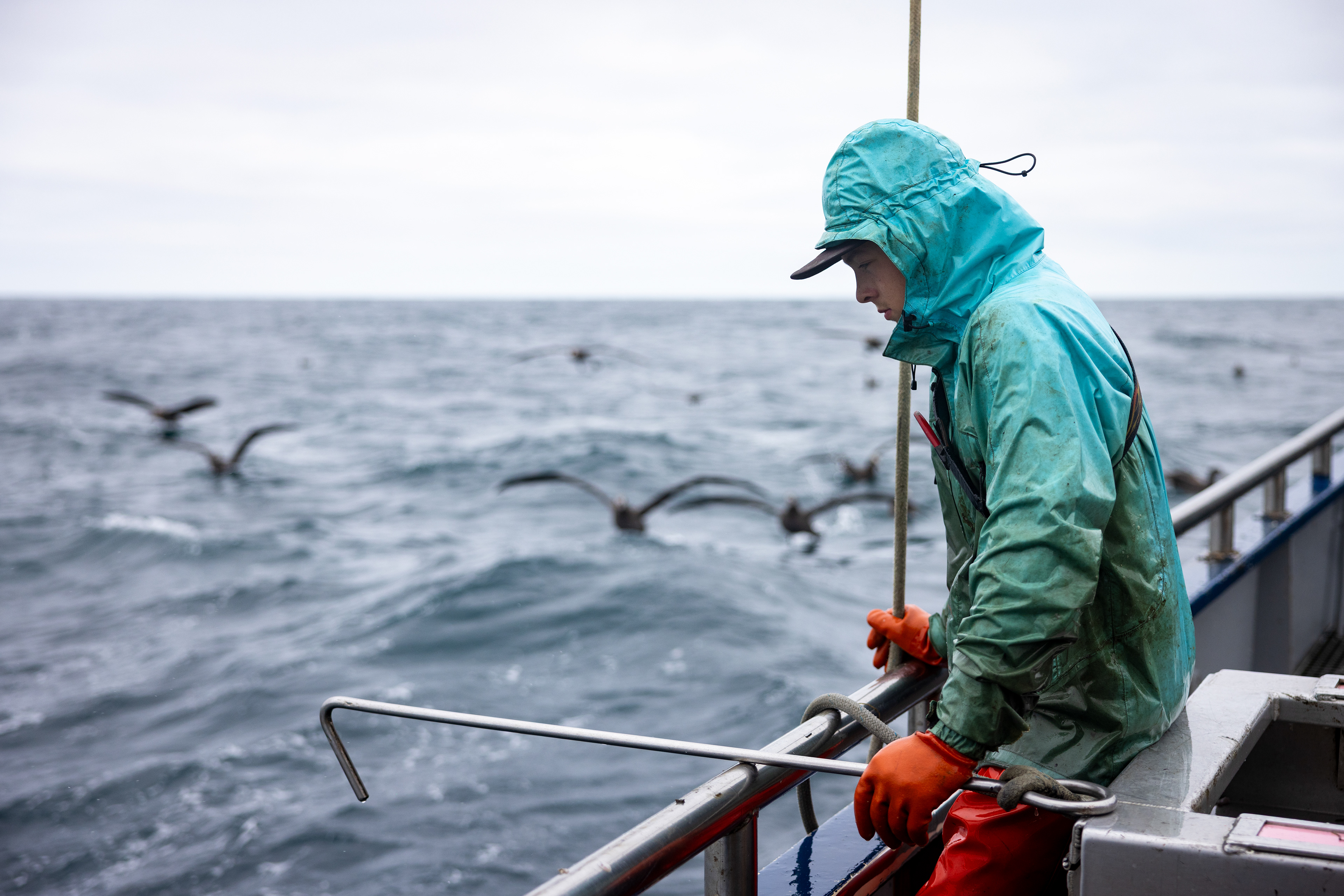
Chuck Andre prepares to attach a pot to a long line aboard the Michelle Ann off the Oregon coast on August 18, 2026. The crew drops about 50 pots per set and hopes to catch around 3,000 to 5,000 pounds of fish per haul.
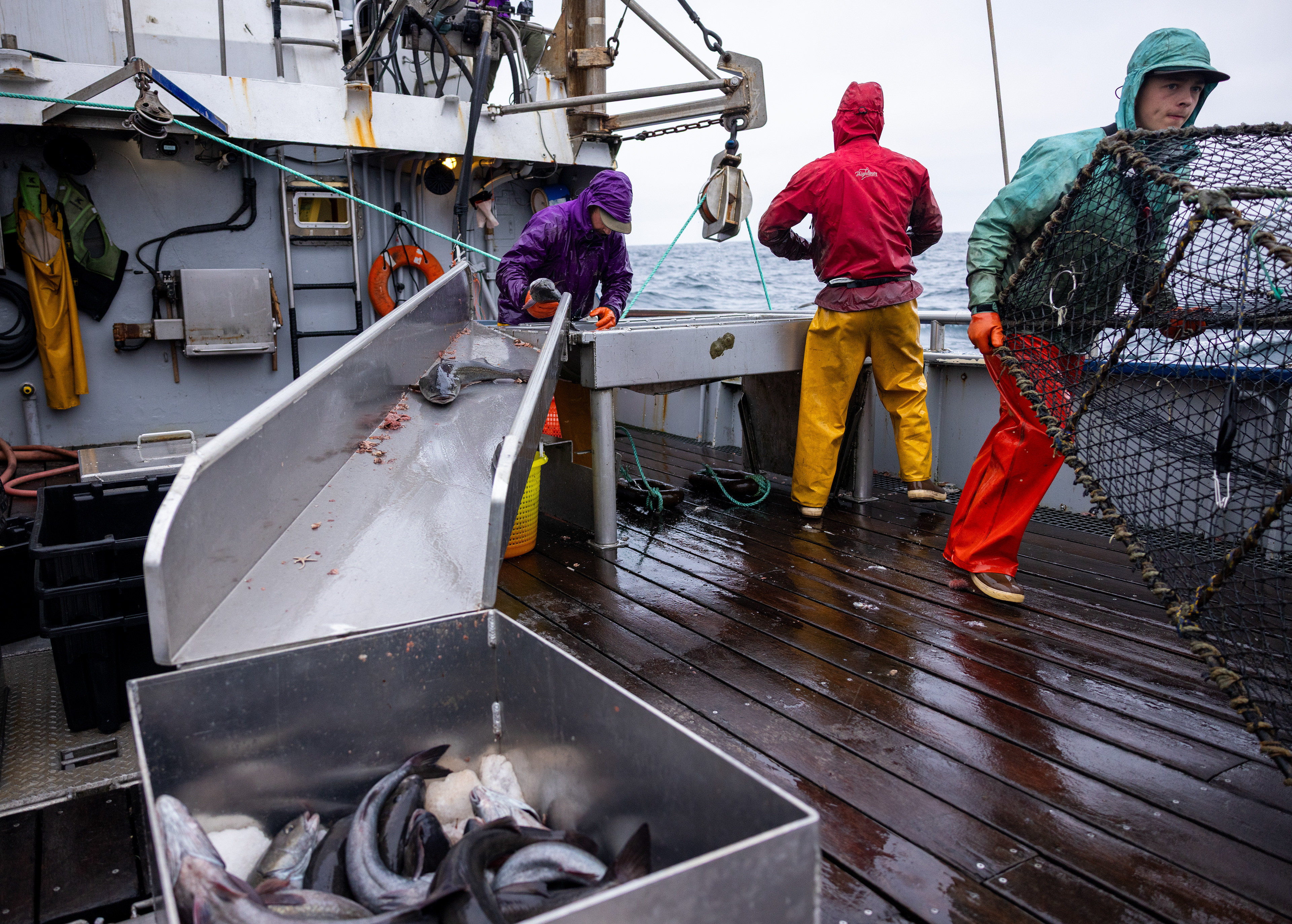
The Michelle Ann crew works quickly to sort through their catch, prepare the next pot of black cod and hoist more pots on deck aboard the Michelle Ann off the Oregon coast on August 20, 2026.
Rogers said he feels forced to do business with larger processors. The cost difference between their products and locally sourced seafood can be drastic, he said. The economies of scale realized by consolidation make it harder for him to justify the additional cost of local product.
“It’s just too easy,” he said, “to get it delivered to your door, you gotta go with what the distributors are providing, and they don’t give you much of a choice.”
Rogers can still source locally because he has cultivated relationships with several boat captains and drives to the coast himself to pick out the freshest product. He has a buyer's license that allows him to purchase fish directly from boats in Oregon, but "it is a difficult full-time job trying to source things domestically," he said.

Gangion Lapham waits for a pot to rise to the surface aboard the Michelle Ann off the Oregon coast on August 18, 2026.
In a 2022 report for the Oregon Coast Visitors Association, The Research Group, a company that specializes in data organization, reported about 90% of seafood consumed on the Oregon coast was imported. In addition, Oregon exports much of its seafood to the same countries it is importing from.
This straight swap that occurs in the seafood distribution network increases the carbon footprint of the commercial fishing industry. Seafood imported from Dalian, China, for example, has about a 76% greater carbon footprint than seafood that is shipped from Newport to Portland, according to a Research Group report.
Releasing carbon into the atmosphere is one of the most profound ways humans affect oceans and fisheries. According to a 2019 report from the Intergovernmental Panel on Climate Change, increased carbon emissions have been tied to a decline in fisheries population replenishment and maximum potential catch.

Pacific Seafood employees unload black cod from the Michelle Ann at the Port of Newport on August 21, 2026 at 4:30 a.m.
In some cases, it is more cost-effective for large processors to send seafood to Asia for processing and packaging before returning to the U.S. markets as ready-to-distribute products, which is known as re-importing.
Dungeness crab, for example, is often shipped to China, where it is processed into picked meat, frozen and sent back to the U.S. Lower Chinese labor costs make the "crab picked-meat merry-go-round worth it" for large processors, said Radtke.
About one-third of U.S. seafood exports are destined for China, and around 57% of that seafood is re-imported, which doubles the carbon footprint.
Local Ocean, on the other hand, has been buying directly from boats across the road for 20 years. “Our distribution is often just a dolly that brings fish right up to our back door,” Anderson said.

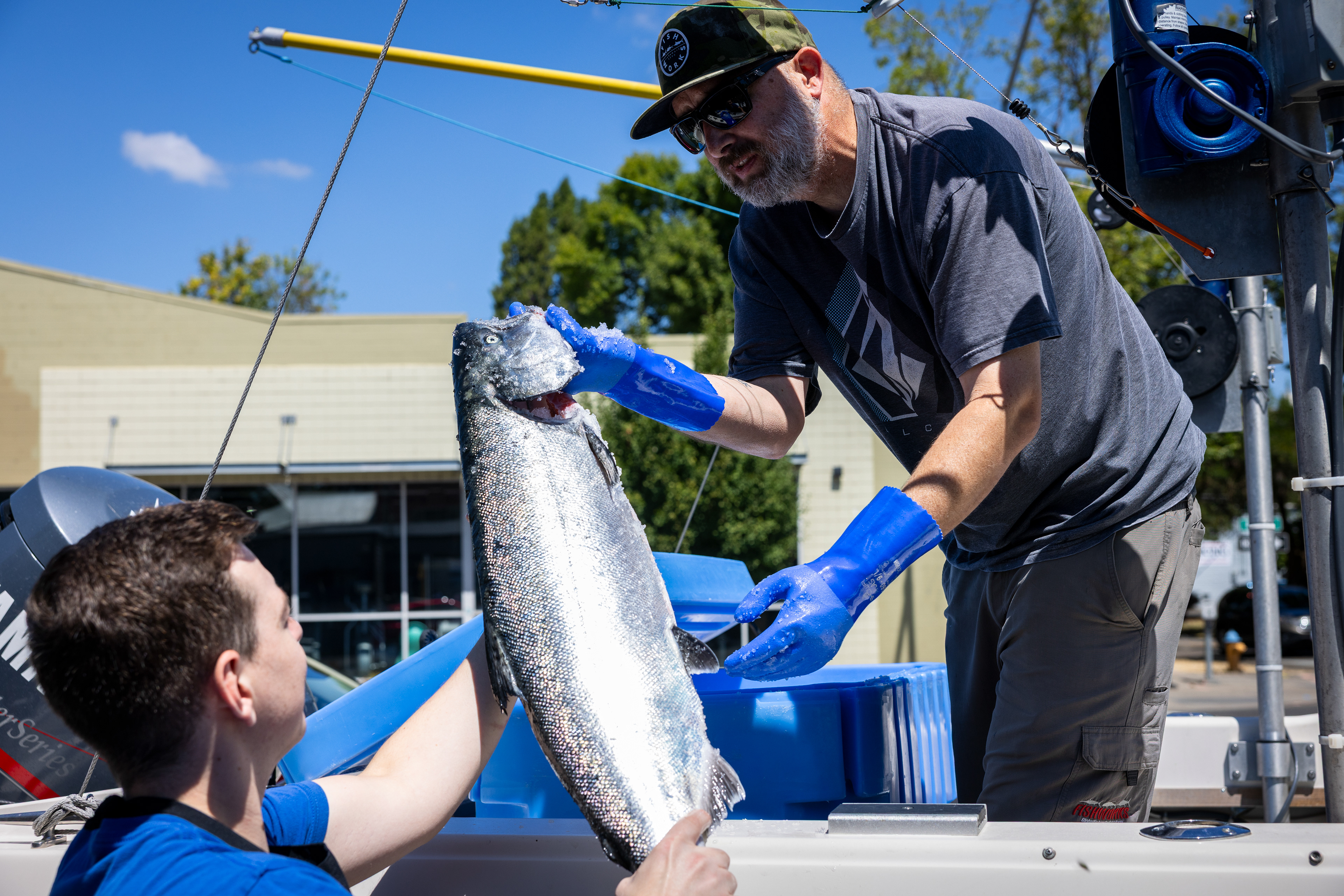
Commercial fisherman Chris Reed, right, delivers fresh-caught Chinook salmon to Fisherman’s Market in Eugene, Ore., July 29, 2026.

Ryan Rogers, Fisherman’s Market owner, says, “It is a struggle to buy American seafood products.” He regularly buys from fisherman he built relationships with in search of the freshest, highest quality seafood he can find.
​​​​​​​During the height of the season, Lapham needs to catch around 4,000 pounds of crab each day to make a profit. 
When several hundred boats each try to sell 10,000 to 40,000 pounds of crab every few days, “we need processors like Pacific Seafood that can take large volumes of crab,” Anderson said. “It’s a derby.”
Throughout the year, Lapham delivers large volumes of product to big processors with complex distribution networks. “It’s essential to have the export markets to keep the fishery going, but it doesn’t mean we shouldn’t try to change where the fish are going.”

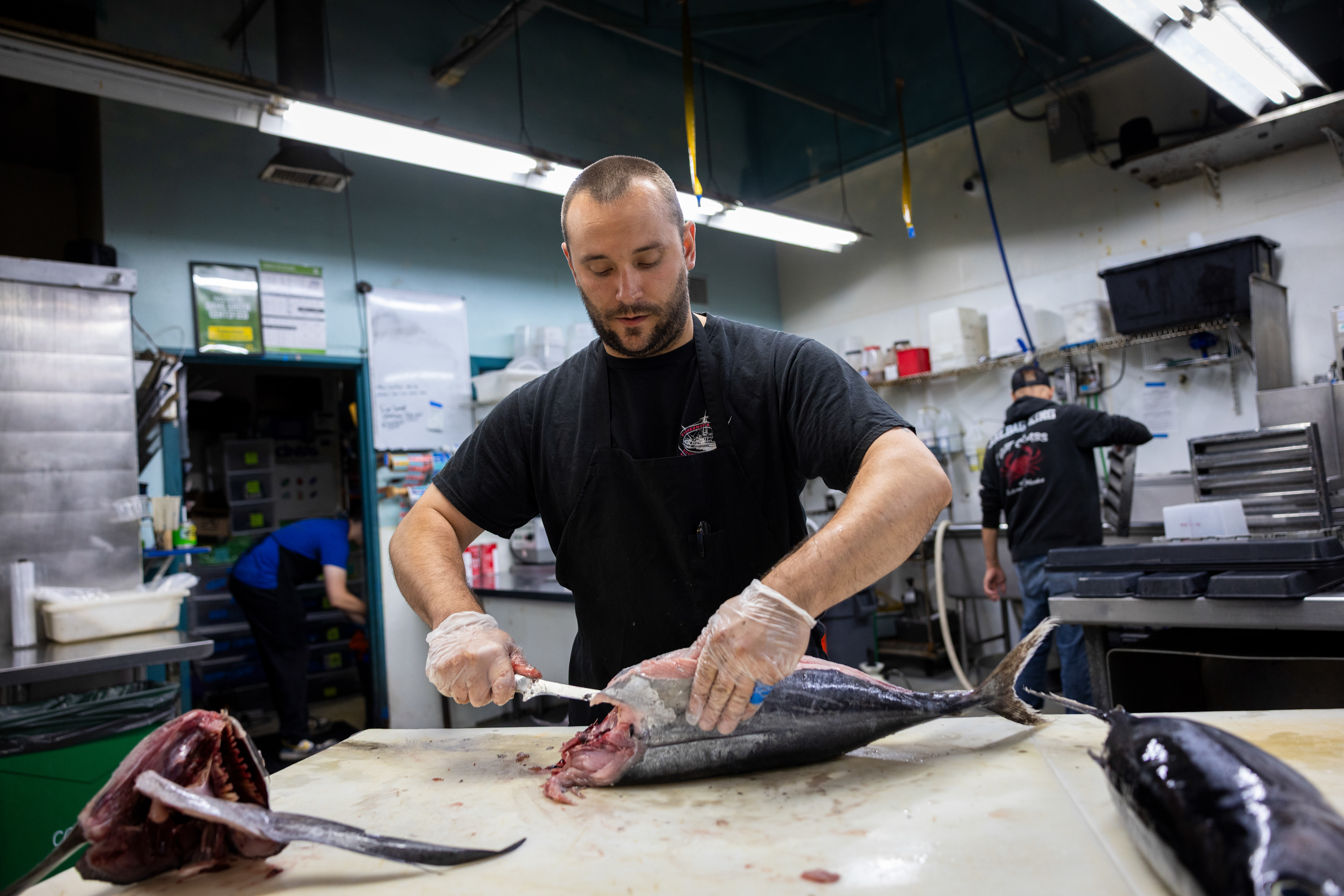
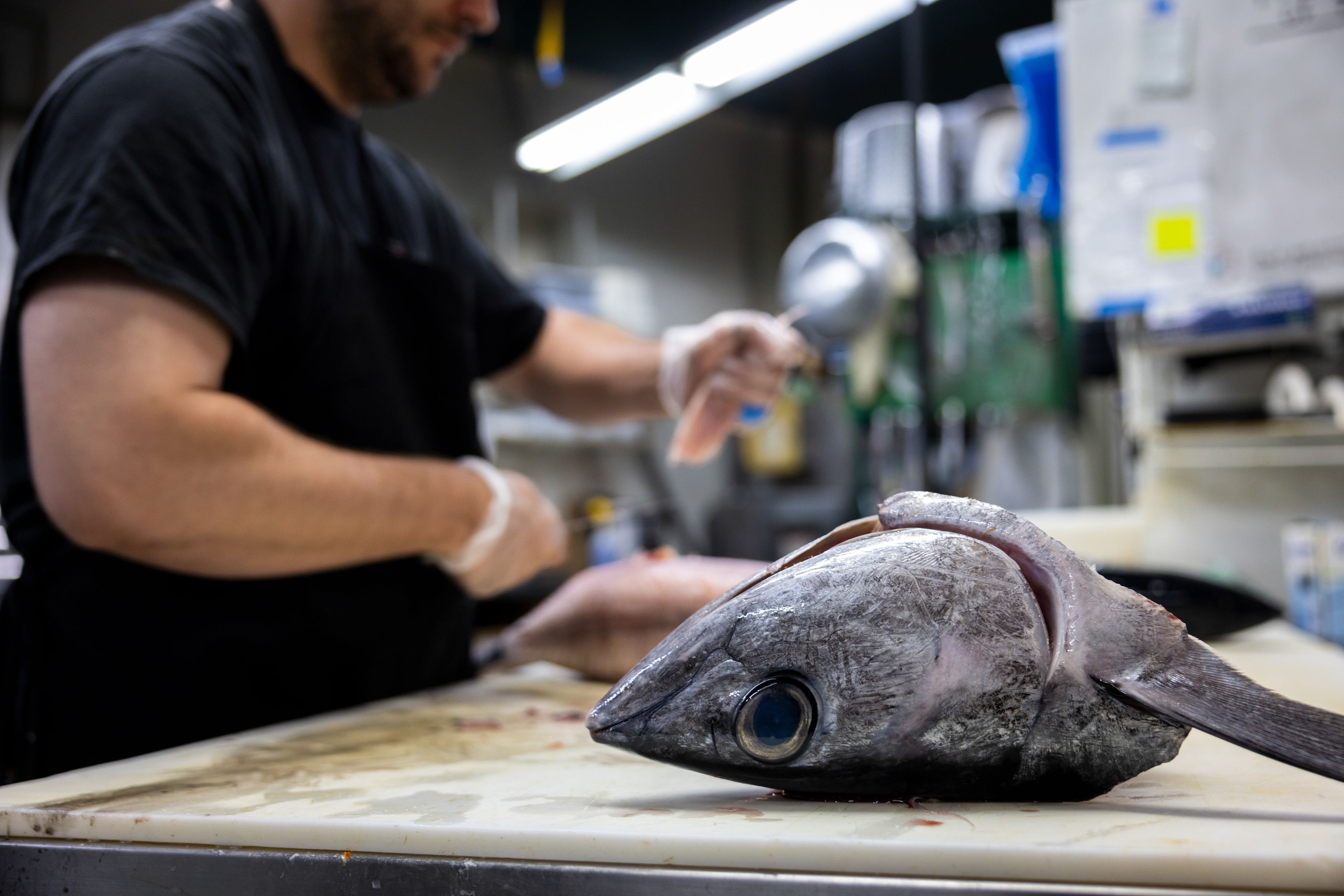
Adam Doheny, fish cutter, processes a $700 tuna order at Fisherman’s Market in Eugene, Ore., July 29, 2026.
​​​​​​​Lapham said smaller boats that sell fish at the dock play just as important a role as larger boats that sell to processing companies. 
He said the experience people get from buying local seafood, whether they are locals or tourists, can motivate them to continue buying local fish in the future. Yet, the bigger boats are needed to meet the demand from buyers around the world.
Even though Anderson said she would like the smaller, coastal communities to be served first, “The idea that our seafood goes to high-value markets is, in my opinion, not a bad thing at all.”
In 2025, the Oregon commercial fishing industry generated $369 million in income, which was “modestly high,” in comparison to the previous five years, according to The Research Group's report for the Oregon Coast Visitors Association. Despite the industry's high activity, Oregon still imports more seafood than it exports.
Still, Lapham said more can be done to keep a portion of Oregon’s seafood closer to the coast and elsewhere in the state. 
“We can do better with consuming what we do produce, but we can’t lose sight of the fact that there’s no way we can eat everything that we produce,” Lapham said.

Adam Doheny, fish cutter, removes the filets from a tuna at Fisherman’s Market in Eugene, Ore., July 29, 2026. Ryan Rogers, Fisherman’s Market owner, said that tuna were late to arrive in Oregon this year, and the ones he received were “peanuts” or smaller than average.
​​​​​​​Seafood buyers and chefs can help create the demand in Oregon necessary to motivate distributors to keep more seafood in-state, Anderson said, by making substitutions and amending recipes to feature Oregon’s seafood.
They can substitute “that Mahi-Mahi filet for an Oregon albacore,” she said.
Smaller seafood sellers need significant infrastructure to get a business up and running, she said. To help with these early costs, she founded the Central Coast Food Web, a nonprofit designed to support local, independent food producers.

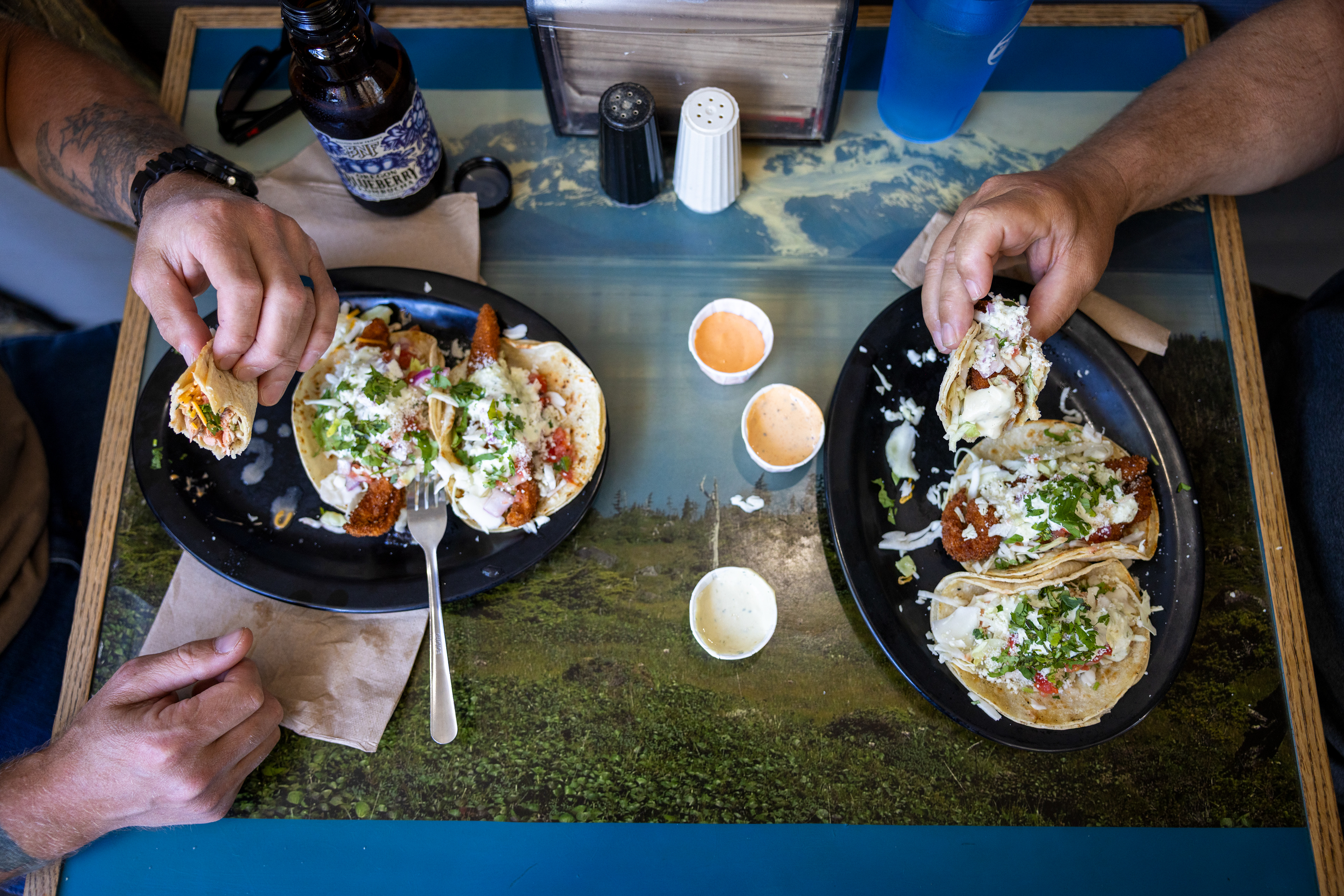
Joseph Washburn, left, and Michael Tieman enjoy fish tacos at Fisherman’s Market in Eugene, Ore. on July 29, 2026.

​​​​​​​CCFW created the Yaquina Lab in Newport, which provides forklifts and blast freezers for distribution and storage. Small businesses can rent the space at a low cost, which minimizes risk, Anderson said.
Cultural buy-in could also increase local demand for Oregon seafood, Lapham said. Getting locals and tourists interested in the seafood brought to the docks will take time but could cultivate a national brand for Oregon seafood.
“It’s going to be a tough row to hoe, but that’s what it’s going to require,” he said.
According to The Research Group's 2025 report, there is "huge potential" for local seafood suppliers to enter local markets through an increase in infrastructure, like cold storage; branding and labeling; and marketing the traceability of local catch.
Ultimately, selling local seafood is “not a super profitable business proposition, but with support from the state and support from philanthropy organizations,” Anderson said, Oregon’s seafood paradox can be solved.

You may also like

Back to Top